

Description
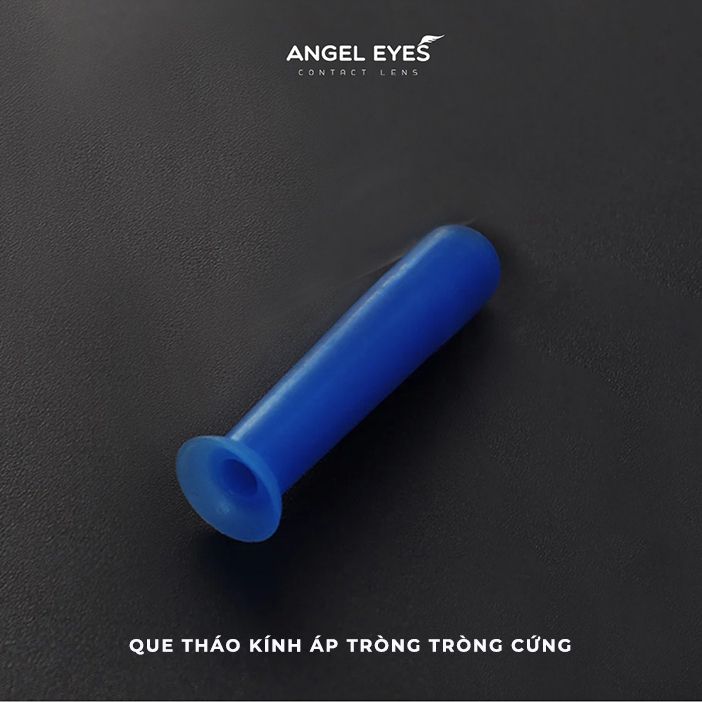
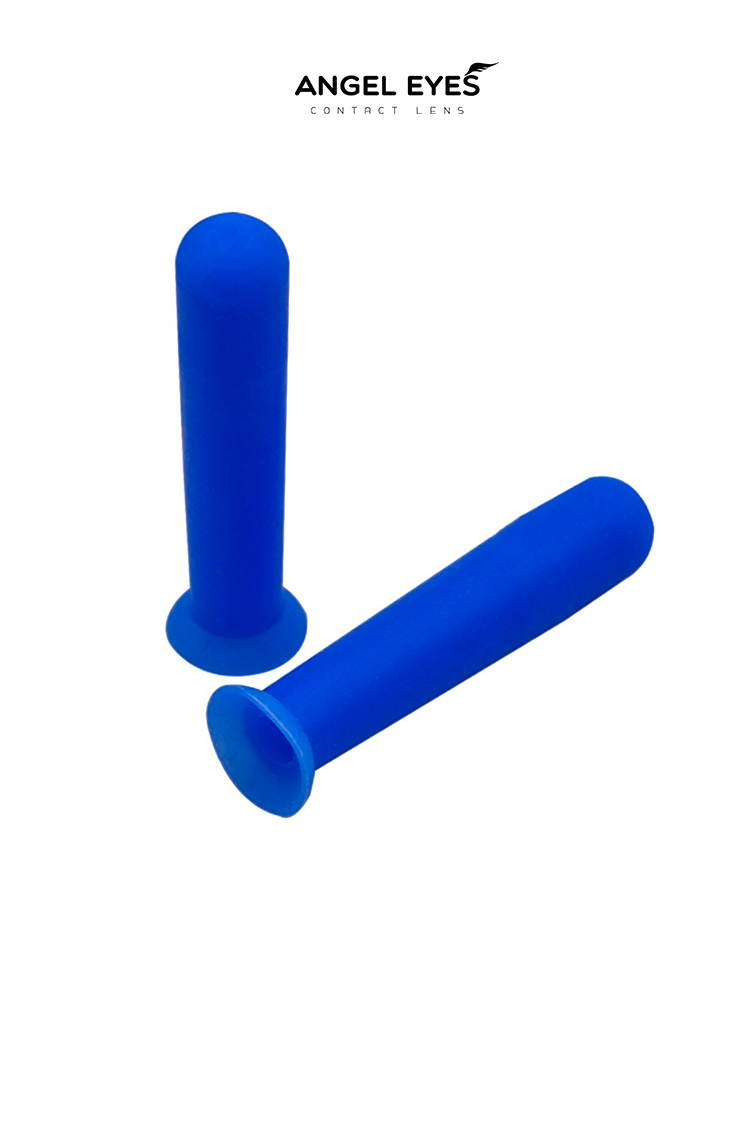
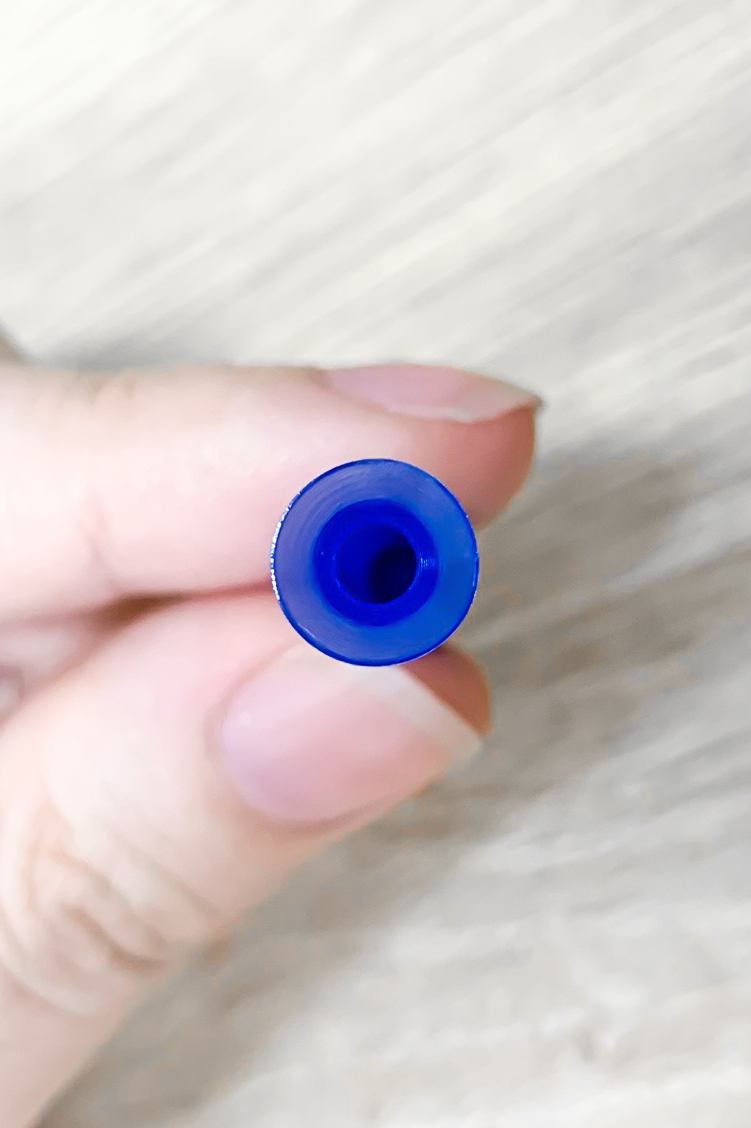
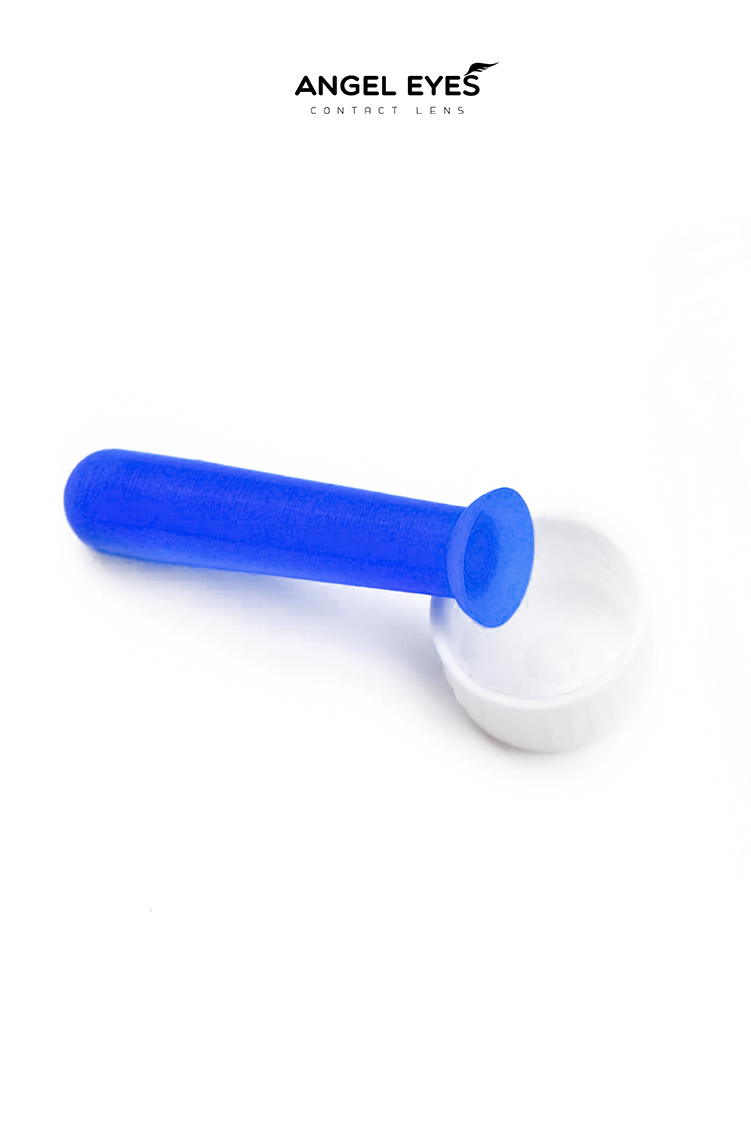
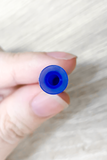
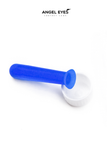
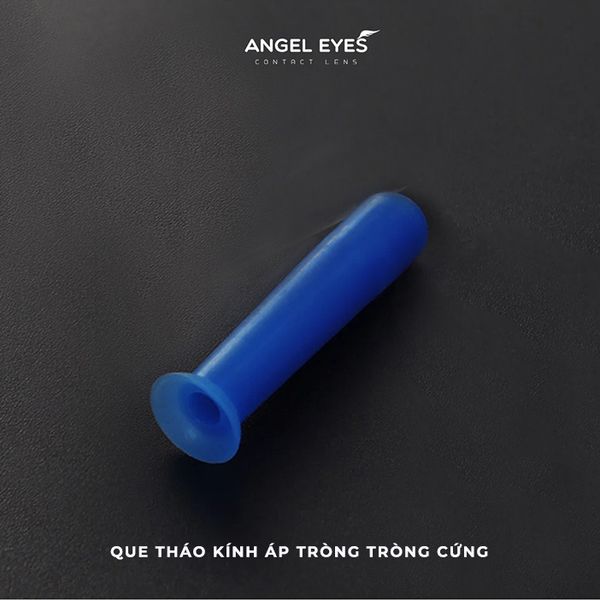
A contact lens remover is a specialized tool designed to safely, hygienically, and conveniently remove contact lenses from the eye after wear. The product features a soft suction tip or pincer head that helps remove lenses without damaging the cornea or lens surface.
At Angel Eyes, the lens remover is specifically designed for rigid contact lenses (Ortho-K lenses) at only 40,000₫, providing lens wearers with an easy removal experience while ensuring optimal eye hygiene.
What Is A Contact Lens Remover?
A contact lens remover (also called lens remover stick, contact lens stick, eye contact stick, or lens removal tool) is a specialized assistive device for removing contact lenses from the eyes. This product is particularly useful for new lens wearers or those who have difficulty removing lenses manually.
Lens removers are typically made from medical-grade plastic with a soft tip or vacuum suction head that gently grips or suctions the lens. For rigid contact lenses (rigid lenses or Ortho-K lenses), using a specialized lens remover is essential because rigid lenses are harder to remove than regular soft lenses.
The contact lens remover at Angel Eyes is designed with optimal grip and softness, ensuring no scratches on the lens surface and no eye irritation. This is an important accessory for maintaining lens hygiene and protecting the eye health of lens wearers.
What Are The Benefits Of Using A Lens Remover?
A lens remover provides numerous important benefits for daily contact lens care and use.

Safe and easy lens removal
The lens removal tool helps wearers remove contact lenses quickly without using fingernails or fingers directly touching the eyes. This minimizes the risk of corneal scratches, especially important for rigid lenses which have higher rigidity and are harder to remove than soft lenses.
Ensures hygiene
When removing lenses manually, bacteria and dirt from fingers can infect the eyes. The eye care stick helps limit direct contact between hands and eyes, thereby reducing the risk of eye infections, conjunctivitis, and other eye problems.
Protects lenses from damage
Using fingernails or pulling lenses forcefully can cause tearing, warping, or scratching. The contact lens stick with its soft tip or specialized suction head helps remove lenses gently, extending lens lifespan and maintaining optical quality.
Convenient for new lens wearers
For beginners with contact lenses, lens removal can be difficult and worrying. The lens remover makes this process easier, reducing adaptation time and increasing confidence when using lenses.
What Types Of Lens Removal Tools Are Available?
The market currently offers various types of lens removal tools designed to suit different contact lens types.
Suction-tip lens remover (Suction Remover)
This type has a soft vacuum suction tip, usually made from medical-grade silicon. When you press the suction tip lightly onto the lens surface, vacuum pressure helps the lens stick to the tip, then you simply pull gently to remove the lens. This is the most popular type for rigid contact lenses (rigid lenses, Ortho-K lenses) because rigid lenses have a hard and flat surface, easily creating suction force.
Pincer-style lens remover (Tweezers Style)
This type has two soft wings that help pinch the lens lightly from both sides. Suitable for both soft and rigid lenses, however, it must be used carefully to avoid pinching too hard and damaging the lens. Often used to pick up lenses from lens cases or after soaking in solution.
Spoon-style lens remover (Spoon Style)
Shaped like a small spoon with a curved tip, it helps slide under the lens and bring the lens out. This type is less common and mainly used in medical settings or for special lens types.
The rigid contact lens remover at Angel Eyes is the suction-tip type, most suitable for rigid contact lenses and Ortho-K lenses. At only 40,000₫, this is an essential accessory that rigid lens wearers should have on hand.
How To Properly Use A Contact Lens Remover?
To use a lens remover safely and effectively, follow these steps:
Step 1: Preparation
Wash hands thoroughly with soap and dry with a clean, lint-free towel. Check the lens remover to ensure there are no cracks, tears, or dirt on the suction tip. If the lens remover shows signs of damage, replace it immediately to avoid harming your eyes.
Step 2: Locate the lens on the eye
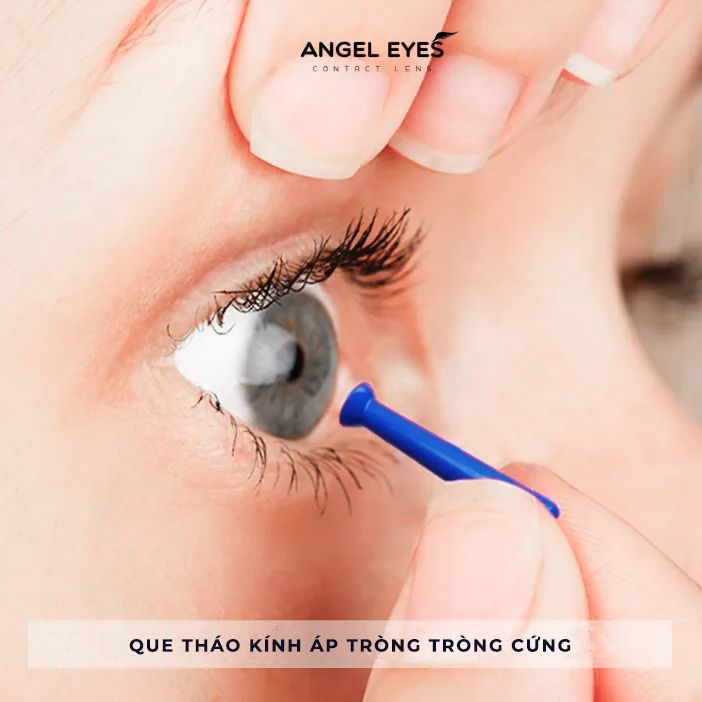
Look up or down to move the lens to an accessible position. Use your finger to gently pull the upper and lower eyelids to create more space around the lens.
Step 3: Place the lens remover on the lens surface
For suction-tip types, gently press the suction tip onto the center of the lens to create vacuum suction. Ensure the suction tip makes full contact with the lens surface, avoiding air leaks that reduce suction force.
Step 4: Pull gently
Pull the lens remover straight outward, avoiding diagonal or forceful pulling. The lens will detach from the eye and stick to the suction tip. If the lens doesn't detach, don't force it but retry from step 3.
Step 5: Remove the lens from the remover
After the lens is out of the eye, press gently on the suction tip to release the suction, and the lens will fall into your palm or into the prepared lens case with soaking solution.
Step 6: Clean the lens remover
After each use, rinse the lens remover with clean water or saline solution, dry thoroughly, and store in a clean case. Avoid exposing the lens remover to dirt or bacteria.
How Often Should A Contact Lens Remover Be Replaced?
According to recommendations from ophthalmology experts and lens accessory manufacturers, contact lens removers should be replaced every 3 months. This is a safe period to ensure the lens remover maintains optimal quality and hygiene.
Reasons for periodic replacement
Over time with use, the suction tip or pincer head of the lens remover will wear out, losing elasticity and suction force. This makes lens removal more difficult and can potentially damage lenses or eyes. Additionally, despite regular cleaning, bacteria can still accumulate on the surface and in small grooves of the lens remover.
Signs requiring immediate replacement
You should replace the lens remover immediately if you notice these signs: Suction tip is cracked, torn, or deformed; Lens remover is yellowed, discolored, or has an odd smell; Suction force has decreased, no longer removes lenses effectively; Lens remover falls on the floor or contacts unclean surfaces.
Cost and convenience
At only 40,000₫ at Angel Eyes, periodic replacement of lens removers is not overly expensive compared to overall eye and lens care costs. Investing in a new lens remover helps protect eyes and extend lens lifespan, saving costs on frequent lens replacements.
Important Precautions When Using Lens Removal Tools
To ensure maximum safety for eyes and lenses, note these important points:
Don't use lens remover when lens is dry
If the lens has dried on the eye, don't attempt to remove it immediately with a lens remover as this may scratch the cornea. Instead, instill a few drops of lens-specific eye drops, wait for the lens to soften and become moist again, then proceed with removal.
Avoid using lens remover for soft lenses
Suction-tip lens removers are designed primarily for rigid lenses. For soft lenses, using a lens remover can cause tearing, deformation, or contraction. Soft lenses are usually easier to remove manually and don't require assistive tools.
Don't share lens removers
Lens removers are personal items and should not be shared with others to avoid transmitting bacteria, viruses, or eye diseases. Each person should have their own lens remover and store it carefully.
Clean regularly
After each use, rinse the lens remover with clean water or saline solution. Don't use harsh chemical soaps or alcohol for cleaning as they may damage the material. Dry and store in a sealed case, avoiding outdoor exposure.
Always have a backup lens remover
Prepare a backup lens remover in your bag or at work, in case the main remover breaks or gets lost. This is especially important for rigid lens wearers, as removing rigid lenses manually is very difficult and dangerous.
Frequently Asked Questions About Contact Lens Removers
Below are common questions customers ask when learning about lens removers and how to use this tool safely and effectively.
Can a contact lens remover be used for all types of contact lenses?
Not all types of lens removers are suitable for every contact lens type. Suction-tip lens removers (like the product at Angel Eyes) are designed primarily for rigid contact lenses (rigid gas permeable lenses, Ortho-K lenses) because rigid lenses have a hard and flat surface that easily creates vacuum suction.
For soft lenses (soft contact lenses), especially Silicone Hydrogel or Polyhema lenses, using a lens remover is not recommended because: Soft lenses have a curved and soft surface, making it difficult to create effective suction; Suction force can cause the lens to contract, tear, or deform; Soft lenses are usually easier to remove manually without assistive tools.
If you're wearing soft lenses and have difficulty removing them, it's best to ask an eye care professional to guide you on manual lens removal techniques rather than using a lens remover. At Angel Eyes, staff are ready to provide detailed consultation and guidance on safe lens removal for each lens type.
Can you make a DIY lens remover at home?
The answer is NO. While there are many online tutorials for DIY lens removers using readily available materials like straws, rubber, or other tools, this is extremely dangerous for your eyes. DIY materials don't meet medical standards, may contain toxic chemicals, bacteria, or have rough surfaces that scratch the cornea.
Professional lens removers are manufactured from medical-grade silicon or medical-grade plastic that has been tested and certified to ensure appropriate softness and grip without harming eyes and lenses. The price of a lens remover is only 40,000₫ at Angel Eyes, a completely reasonable cost compared to the risk of eye loss or corneal damage if using DIY tools.
Moreover, genuine products come with clear usage instructions and are warranted for manufacturing defects. Therefore, always prioritize purchasing genuine lens removers from reputable stores like Angel Eyes rather than DIY or buying fake, low-quality imitations.
Can a lens remover harm your eyes?
When used correctly and according to instructions, a lens remover is a safe tool that doesn't harm eyes. However, if used incorrectly or without proper hygiene, the following issues may occur:
- Corneal scratches: If you pull forcefully or use the lens remover when the lens is dry, you may accidentally scratch the cornea. Symptoms include eye pain, tearing, light sensitivity, and foreign body sensation in the eye.
- Eye infections: If the lens remover isn't cleaned properly, bacteria can infect the eyes upon contact. This can lead to conjunctivitis, keratitis, or more serious infections.
- Lens damage: Using an inappropriate lens remover or incorrect technique can cause lenses to warp, tear, or lose shape, affecting vision quality and lens lifespan.
To avoid these risks, always wash hands thoroughly before use, clean the lens remover after each use, replace every 3 months, and if you encounter any difficulties in lens removal, visit Angel Eyes showrooms for direct guidance from experienced staff.
Where should you buy a reliable lens remover?
To ensure quality and safety for your eyes, you should purchase lens removers from reputable and professional contact lens stores. Angel Eyes is one of the leading providers in Vietnam specializing in genuine contact lenses and lens accessories that have been certified and quality-tested.
At Angel Eyes, the rigid contact lens remover costs 40,000₫, made from safe medical-grade silicon material with a soft and elastic suction tip. The product is genuinely imported with detailed usage instructions. Customers can purchase directly at Angel Eyes showrooms nationwide (Hanoi, Da Nang, Nha Trang, Can Tho, Ho Chi Minh City and other provinces) or order online via angeleyes.vn website with fast delivery service.
When purchasing at Angel Eyes, you'll receive detailed staff consultation on usage, storage, and lens remover cleaning. If you encounter any issues during use, you can contact the hotline or visit showrooms directly for support. Avoid buying lens removers from stores of unknown origin or cheap products of unclear provenance to ensure eye safety.
Security & More peace of mind when paying via:

Visa

Maestro

Paypal

Mastercard